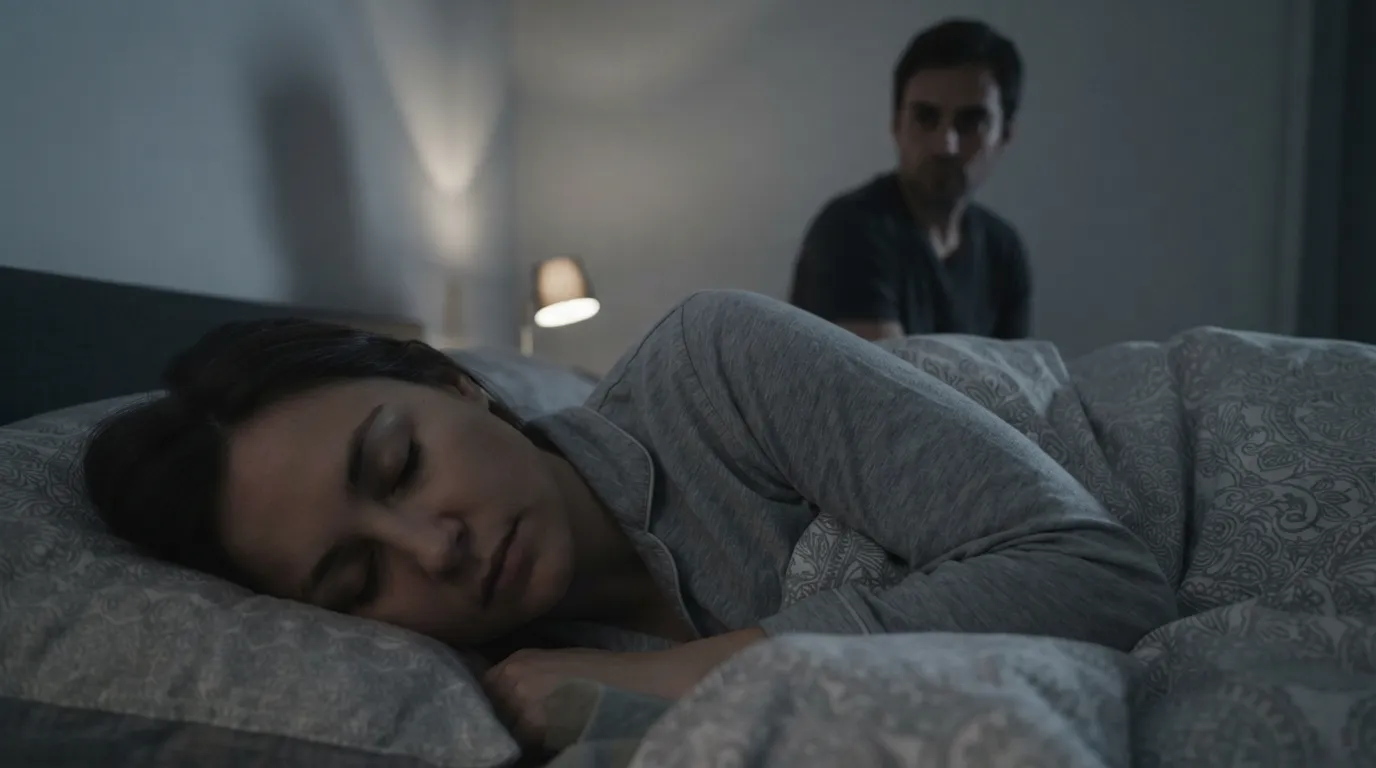
Have you seen the word somnophilia online and wondered what it means? The term can be confusing because it relates to sexual interest and sleep, but it is often mixed up with other sleep-related terms.
In simple terms, somnophilia meaning refers to sexual attraction or arousal connected with a sleeping or unconscious person. The term is often discussed as a type of atypical sexual interest. However, it is important not to treat every unusual sexual interest as a mental disorder.
The biggest issue is consent. A person who is asleep cannot give active consent during that moment. Any sexual contact with a sleeping person therefore raises serious ethical and legal concerns unless there was clear, informed agreement made while the person was awake and capable of consenting, and the situation remains within applicable law.
This guide explains the term in plain English. It also explains the difference between somnophilia and sexsomnia, what paraphilia means, when an interest becomes a clinical concern, and what someone can do if the issue causes distress or creates a risk of harm.
Quick Answer
Somnophilia meaning generally refers to a sexual interest or arousal involving a sleeping or unconscious person. The word is used in some sexology and online discussions, but somnophilia is not a specific diagnosis listed in DSM-5-TR. An unusual sexual interest does not automatically mean a person has a mental disorder. Clinical concern depends on factors such as distress, impaired functioning, harm, or lack of consent.
The most important point is simple: sleep does not equal consent. A sleeping person cannot actively communicate agreement at that moment.
Definition & Meaning
The word somnophilia comes from terms linked to sleep and love or attraction. In common use, it describes sexual interest related to people who are asleep or unconscious.
You may see the word used in forums, articles, fiction, or discussions about paraphilias. The exact way people use the term can vary, so context matters.
It is also important to separate a sexual interest from a paraphilic disorder. The American Psychiatric Association explains that an atypical sexual interest is not automatically a mental disorder. A disorder involves additional factors such as significant distress or impairment, or harm or risk of harm to another person.
That distinction matters here because simply knowing the word or having a fantasy does not tell us whether someone has a clinical condition.
Somnophilia Meaning in Simple Words
Think of it this way:
A person with a somnophilic interest may feel sexual attraction toward the idea of a person being asleep. The sleep state itself may be part of the person’s sexual interest.
That does not mean every person who finds a sleeping partner attractive has somnophilia.
For example, someone may feel affection or attraction toward their partner while the partner sleeps. That normal feeling is not enough to define a paraphilic interest.
The term usually refers to the sleeping state as an important part of the sexual interest, rather than simple attraction to a partner who happens to be asleep.
Is Somnophilia a Mental Disorder?
Not by itself.
This is one of the most important facts to understand. The DSM-5-TR distinguishes between paraphilias and paraphilic disorders. The presence of an atypical sexual interest alone does not automatically qualify as a mental disorder.
Merck Manual gives the same basic distinction. A paraphilia becomes a paraphilic disorder when it causes significant distress or impairment, or when it involves harm or the potential for harm to others.
So, the word somnophilia should not be used as a diagnosis without a proper clinical assessment.
A qualified mental health professional would look at the full situation, including thoughts, urges, behavior, distress, functioning, consent, and risk.
Somnophilia and Sexual Consent
Consent is the key issue when discussing somnophilia.
A person who is asleep cannot actively communicate consent during sleep. This makes sexual activity with a sleeping person very different from sexual activity between two awake, consenting adults.
Some couples may discuss sexual boundaries before sleep. Even then, consent needs to be clear, informed, voluntary, and consistent with local law. A prior conversation does not create unlimited permission for anything that might happen later.
Consent can also be withdrawn.
If someone is unsure whether their partner would want sexual contact while asleep, the safest choice is not to assume. Talk about boundaries while both people are awake.
This is not only about personal comfort. Sexual contact without valid consent can cause emotional harm and may have legal consequences depending on the circumstances and jurisdiction.
Somnophilia vs. Sexsomnia
These terms sound similar, but they describe very different things.
Somnophilia generally refers to a sexual interest connected with a sleeping person.
Sexsomnia, on the other hand, is a sleep disorder. Cleveland Clinic describes sexsomnia as a type of parasomnia in which a person engages in sexual behavior while asleep and may not know that it happened.
The difference is important.
Somnophilia concerns a sexual interest or arousal pattern.
Sexsomnia concerns unconscious behavior during sleep.
A person with sexsomnia may have no conscious desire to perform the behavior. The behavior can happen as part of a sleep disorder.
Because the two terms are easy to confuse, a person should not assume that unusual behavior during sleep means they have a particular sexual interest.
Somnophilia vs. Paraphilia
The word paraphilia describes an atypical pattern of sexual interest. Medical sources make an important distinction between a paraphilia and a paraphilic disorder.
A person may have an unusual sexual interest without meeting the criteria for a mental disorder.
A paraphilic disorder involves additional clinical concerns. These may include serious distress, problems with daily functioning, or harm or risk of harm to another person.
This distinction helps prevent unnecessary labeling.
It also helps keep the focus where it belongs: safety, consent, distress, and functioning.
What Makes Somnophilia a Serious Concern?
The concern becomes greater when an interest moves from thoughts into behavior that violates another person’s boundaries.
Some warning signs include:
- Acting without clear consent.
- Ignoring a partner’s stated boundaries.
- Feeling unable to control urges.
- Becoming increasingly focused on nonconsenting situations.
- Feeling severe distress because of the urges.
- Having the interest interfere with work, relationships, or daily life.
- Fear that you may hurt someone or violate their boundaries.
These signs do not provide a diagnosis. They show when professional support may be useful.
The DSM framework focuses on distress, impairment, and harm rather than simply labeling an unusual interest as a disorder.
Common Mistakes About Somnophilia
Online discussions can make this topic harder to understand. People often mix together sexual fantasies, consensual adult behavior, sleep disorders, and criminal behavior.
| Common mistake | More accurate way to understand it |
| “Any attraction to a sleeping partner is somnophilia.” | Normal attraction to a partner does not automatically mean a specific paraphilic interest. |
| “Somnophilia is a DSM diagnosis.” | Somnophilia is not listed as a specific DSM-5-TR diagnosis. |
| “Somnophilia and sexsomnia are the same.” | Somnophilia refers to an interest; sexsomnia is a sleep-related condition involving sexual behavior during sleep. |
| “An unusual sexual interest always means mental illness.” | An atypical interest alone does not establish a mental disorder. |
| “A sleeping person can always consent because they agreed earlier.” | Consent must be clear, voluntary, and legally valid; boundaries should never be assumed. |
| “Having a thought means someone will act on it.” | Thoughts and actions are different. Risk depends on the person and situation. |
What Should You Do If You Have These Thoughts?
First, do not panic.
Having an unwanted thought does not automatically mean you will act on it. What matters is how you respond to the thought and whether it creates distress or risk.
If the thoughts are unwanted, try not to feed them with repeated checking or self-judgment. You can also write down what triggers the thoughts and how often they occur.
If the thoughts feel hard to control, cause major distress, or make you worry that you could cross another person’s boundaries, speak with a licensed mental health professional.
A professional can help you understand the thoughts without automatically labeling you. The goal can be to improve control, reduce distress, and protect yourself and others.
If you ever believe you may act without another person’s consent, create distance from the situation and seek professional help promptly.
Quick Reference Checklist
| Question | What to check |
| Is there clear consent? | Never assume consent from silence or sleep. |
| Is the person awake and able to communicate? | Consent should be informed and voluntary. |
| Is the thought causing distress? | Persistent distress can be a reason to seek help. |
| Is daily life affected? | Watch for problems with work, relationships, or normal activities. |
| Is there a risk of harm? | Take any risk of nonconsensual behavior seriously. |
| Could this be a sleep disorder? | Unusual sexual behavior during sleep may require a sleep evaluation. |
| Are you unsure what is happening? | A qualified professional can help separate sleep disorders from sexual interests. |
Can Somnophilia Be Treated?
There is no single treatment called “somnophilia treatment” because somnophilia is not a standalone DSM-5-TR diagnosis.
Treatment depends on the actual problem.
For example, someone who feels severe distress about sexual thoughts may benefit from psychotherapy. Someone who fears they could act without consent may need help with impulse control, boundaries, and risk management.
Someone who actually performs sexual behaviors while asleep may need a sleep evaluation instead. Sexsomnia is a parasomnia, and sleep specialists can assess possible sleep-related causes. Cleveland Clinic notes that sexsomnia can involve sexual behavior during sleep and that people may not know they are doing it.
This is why self-diagnosis can be misleading.
The right type of professional depends on what is actually happening.
When Should You Talk to a Professional?
Consider seeking professional help if the thoughts:
- Cause strong shame, fear, or anxiety.
- Interfere with your daily life.
- Affect your relationship.
- Feel difficult to control.
- Create concern about another person’s safety.
- Involve behavior that happened during sleep and you cannot explain.
- Cause repeated problems with sleep or sexual behavior.
A mental health professional can assess distress, behavior, and risk. A sleep specialist may be more appropriate when the main problem involves unexplained actions during sleep.
The American Psychiatric Association also notes that DSM diagnostic criteria are designed for trained professionals and should not be used as a personal self-diagnosis tool.
Why the Difference Between Fantasy and Action Matters
People sometimes assume that having a fantasy means someone wants to act on it. That is not always true.
Thoughts, fantasies, urges, and actions are different things.
A person can have an unwanted thought and choose not to act on it. Likewise, someone can recognize that an urge creates a boundary problem and choose to get help before anything happens.
This distinction is useful because shame can sometimes stop people from seeking help.
A calm and honest approach works better: understand the thought, respect other people’s boundaries, and get professional support if the situation becomes difficult to manage.
Is It Safe to Touch Someone While They Sleep?
You should not assume that a sleeping person wants sexual contact.
If two adults have discussed sleep-related sexual activity while awake, they still need clear boundaries and mutual agreement. Both people should understand what they are agreeing to, and the agreement must follow applicable law.
If there is any doubt, wait until the person is awake and ask.
A simple conversation while both people are awake can prevent confusion. Clear boundaries are much safer than guessing what a partner might want.
What If the Behavior Happens Without Awareness?
This is where sexsomnia may be relevant.
Sexsomnia is a parasomnia, meaning it falls within a group of sleep disorders that involve unusual behaviors or events during sleep. Other parasomnias can include sleepwalking, sleep talking, or other actions during sleep.
A person who experiences sexsomnia may not remember the event afterward. Cleveland Clinic notes that people with sexsomnia may engage in sexual behavior while asleep without knowing they are doing it.
If this happens, it is worth discussing with a doctor or sleep specialist.
Do not assume that the behavior reflects a conscious sexual preference.
FAQs:
1. What does somnophilia mean?
Somnophilia generally means sexual attraction or arousal connected with a sleeping or unconscious person. The term is used to describe an atypical sexual interest, but it is not itself a specific DSM-5-TR diagnosis.
2. Is somnophilia a mental illness?
Not automatically. The American Psychiatric Association distinguishes atypical sexual interests from paraphilic disorders. A disorder involves factors such as significant distress, impaired functioning, or harm or risk of harm to others.
3. Is somnophilia the same as sexsomnia?
No. Somnophilia describes a sexual interest related to sleep. Sexsomnia is a parasomnia in which sexual behavior can occur during sleep, sometimes without the person’s awareness.
4. Can a sleeping person give sexual consent?
A sleeping person cannot actively communicate consent at that moment. Any agreement about sexual activity should be clear, voluntary, informed, and made while the person is capable of giving consent. Laws also vary by location.
5. Does having a fantasy mean someone will act on it?
No. A thought or fantasy is not the same as an action. If a person feels unable to control an urge or worries about harming someone, professional help can provide a safe way to address the concern.
6. Can sexsomnia be treated?
Sexsomnia is a sleep-related condition, so evaluation by a doctor or sleep specialist may help identify what is happening. Treatment depends on the person’s symptoms and underlying sleep problems.
7. When should I seek professional help?
Seek help when the thoughts cause major distress, interfere with daily life, feel difficult to control, or create a risk that another person’s boundaries could be violated. If unexplained sexual behavior happens during sleep, a medical evaluation may also be useful.
Conclusion:
The simplest somnophilia meaning is a sexual interest connected with a sleeping or unconscious person. But the term needs careful use. It is not a specific DSM-5-TR diagnosis, and an unusual sexual interest alone does not prove that someone has a mental disorder.
The biggest issue is consent. A sleeping person cannot actively communicate consent, so sexual boundaries should never be guessed or ignored.
Also remember that somnophilia and sexsomnia are different. One describes an interest, while the other involves sexual behavior during sleep and may occur without awareness.
If thoughts or behaviors cause distress, loss of control, or concern about someone’s safety, talking with a qualified professional is a sensible next step.

Hello, I am Ethan Carter a dedicated content creator and storyteller with expertise in literary techniques and language learning. At similiezmeta.com, my crafts engaging articles on similes, idioms, and figurative language designed specifically for children and beginners.